
Project D
Intro
In data center environments, infrastructure work is rarely limited to supplying equipment alone. A successful deployment depends on how well the design responds to the actual site condition, operational requirements, and installation constraints on the ground.
For this project, our scope covered the
- design and installation of a security cage
- installation of a cold aisle containment system
- delivery and setup of server racks
The objective was to create a secure, organized, and thermally controlled environment that could support the customer’s operational needs while fitting within the physical limitations of the site.
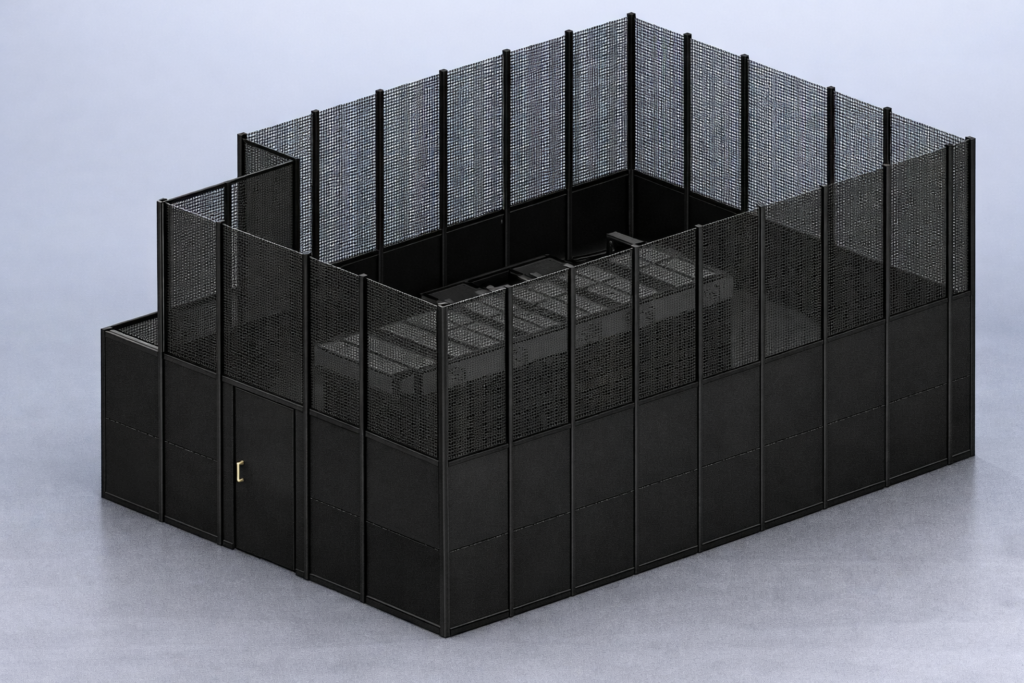
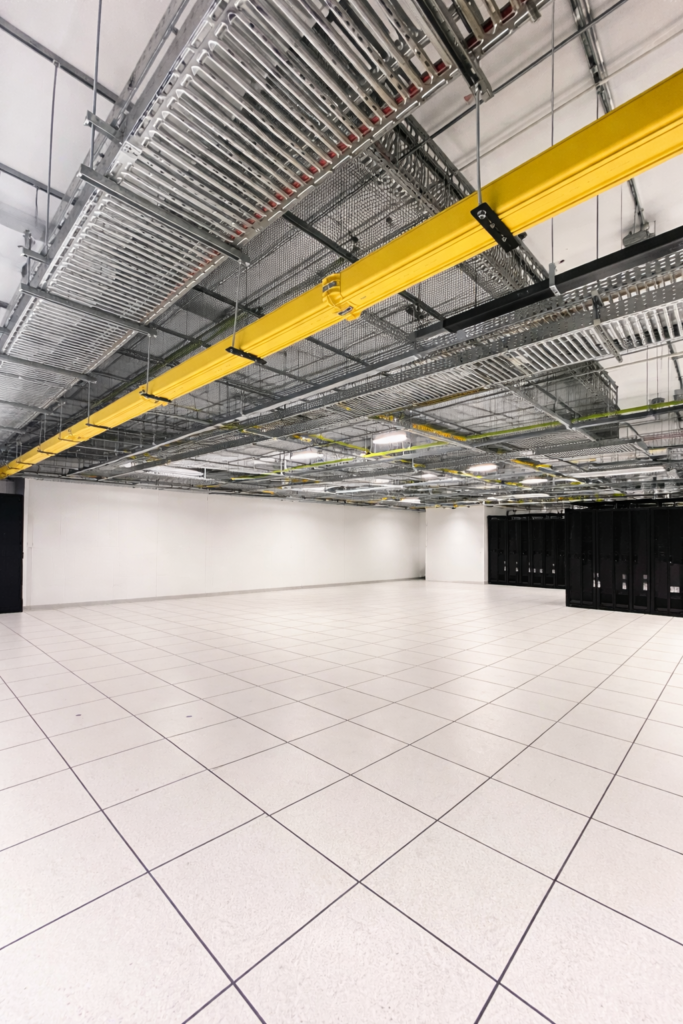
Completed rack, cold aisle containment and cage installation within the project enclosure.
1. Initial Design Concept
The project began with the design of a security cage intended to form a dedicated protected area for the customer’s data center equipment. The initial concept was developed based on the planned layout, required access points, and the need to integrate the enclosure with the surrounding site condition.
At this stage, the cage was designed with a straightforward upper profile, creating a clean and continuous enclosure line. The intention was to provide both physical security and a defined footprint for the equipment to be installed inside.
The original design also had to consider future practicality, including accessibility for equipment movement, internal working space, and compatibility with the rack and containment arrangement that would follow.
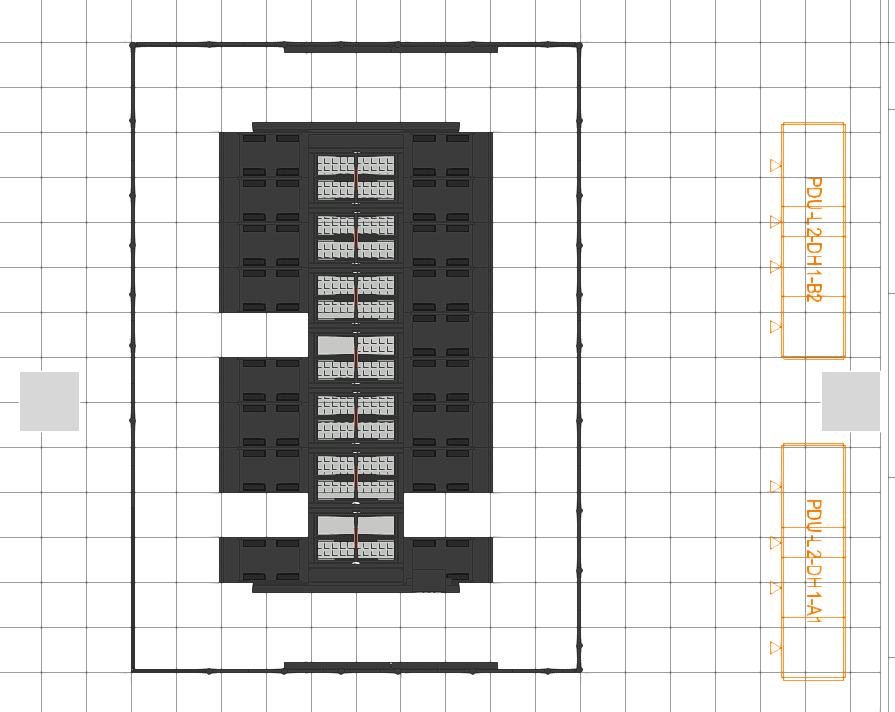
Initial security cage design developed based on the planned equipment layout and enclosure requirements.
2. Site Constraint Identified During Coordination
As the project moved into detailed review and coordination, a site obstacle was identified at the top section of the proposed cage area. This created a direct conflict with the original straight-profile design and meant the initial concept could not be implemented exactly as planned.
This stage was an important turning point in the project. Rather than forcing a site workaround during installation, the design was reviewed and revised properly before proceeding. In projects of this nature, this step is critical, because a solution that works in drawing but not in the actual environment usually becomes an expensive lesson in human optimism.
The challenge was to modify the cage in a way that avoided the obstruction while still maintaining the enclosure’s function, structural continuity, and overall appearance.
Suggested caption:
Revised cage design introduced after identifying a top-side site obstruction that affected the original concept.
3. Redesign to Suit Actual Site Condition
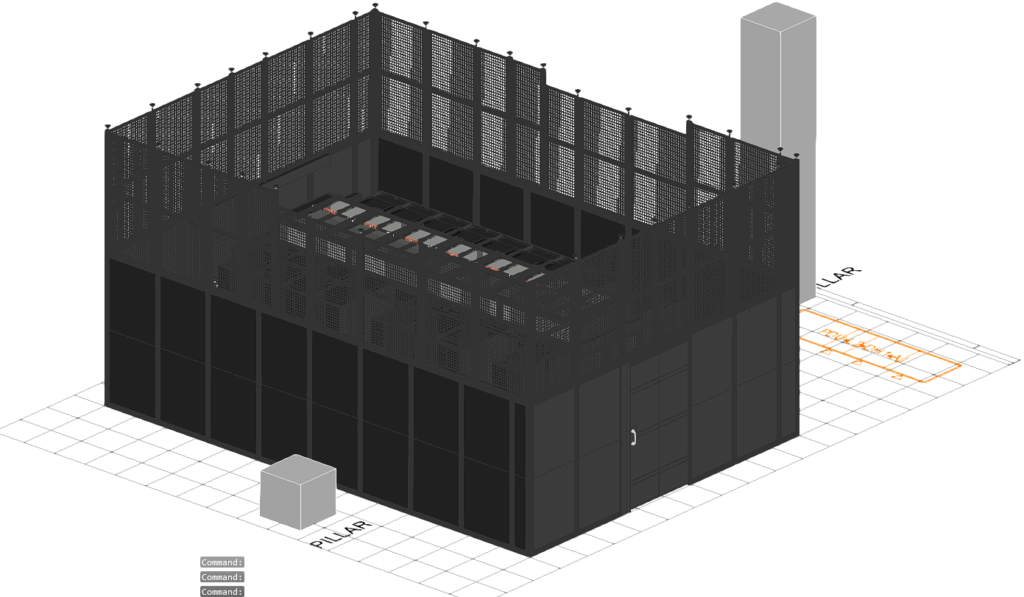
To resolve the issue, the cage design was adjusted to incorporate a bent upper section that could bypass the site obstruction without compromising the main enclosure area. The revised design was then submitted to the customer for review and approval before fabrication and installation proceeded.
This redesign was not simply a cosmetic change. It allowed the project to move forward while preserving the functionality of the cage, maintaining the required secure boundary, and ensuring the new geometry remained practical for installation.
The updated solution also reflected a key part of real engineering work: adapting the design to the site, rather than trying to force the site to match the drawing.
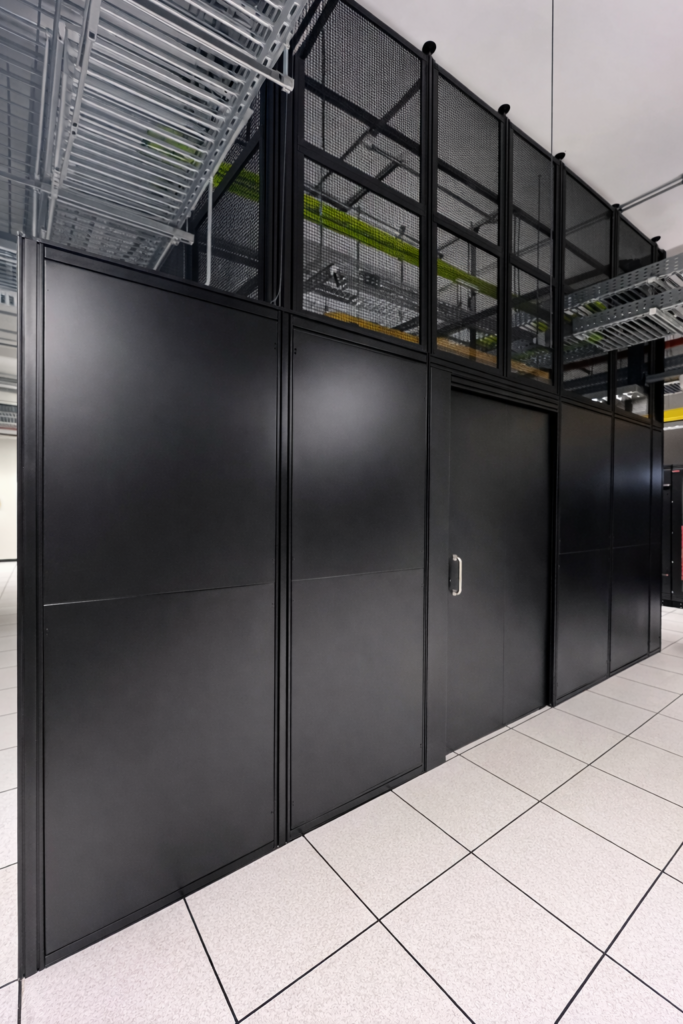
Final revised cage design showing the modified upper profile introduced to avoid the structural obstruction.
4. Delivery and Installation of Racks
Once the cage design had been finalized, approved, and fabricated, the project progressed into the delivery and on-site installation phase. The server racks were delivered and positioned within the enclosed area in accordance with the approved layout plan. Following this, the cold aisle containment system was installed within the cage to complete the enclosed infrastructure environment.
This marked a major stage of the project, as effective airflow management is critical to maintaining cooling efficiency within a data center.
5. Final Outcome
The completed project brought together three essential infrastructure elements into one coordinated solution: security enclosure(cage), rack deployment, and cold aisle containment.
The security cage provided the required access control and physical segregation. The installed racks established the operational equipment layout. The cold aisle containment completed the environment by improving airflow organization within the enclosed space.
One of the most important aspects of this project was the ability to respond to actual site conditions during the design stage. The top-side obstruction could have delayed the work or compromised the final installation if it had not been addressed early. Instead, the cage was redesigned, submitted for approval, and implemented in a way that allowed the project to proceed with clarity and control.
The result was a completed installation that not only met the project requirements, but also reflected a practical and responsive engineering approach from design through to final execution.

- Cooling Solution
- Top Packaged Type
- Rack Split Type
- Bottom Packaged Type
- RDHx DX Type
- RDHx CW Type
- Containments
- Cold Aisle Containment
- Hot Aisle Containment
- Cage
- Security Cage
- Server Rack
- PF Series
- SCCR Series
- SWP Series
- SE Series
- SSR Series
- GSE Series